EN
EN

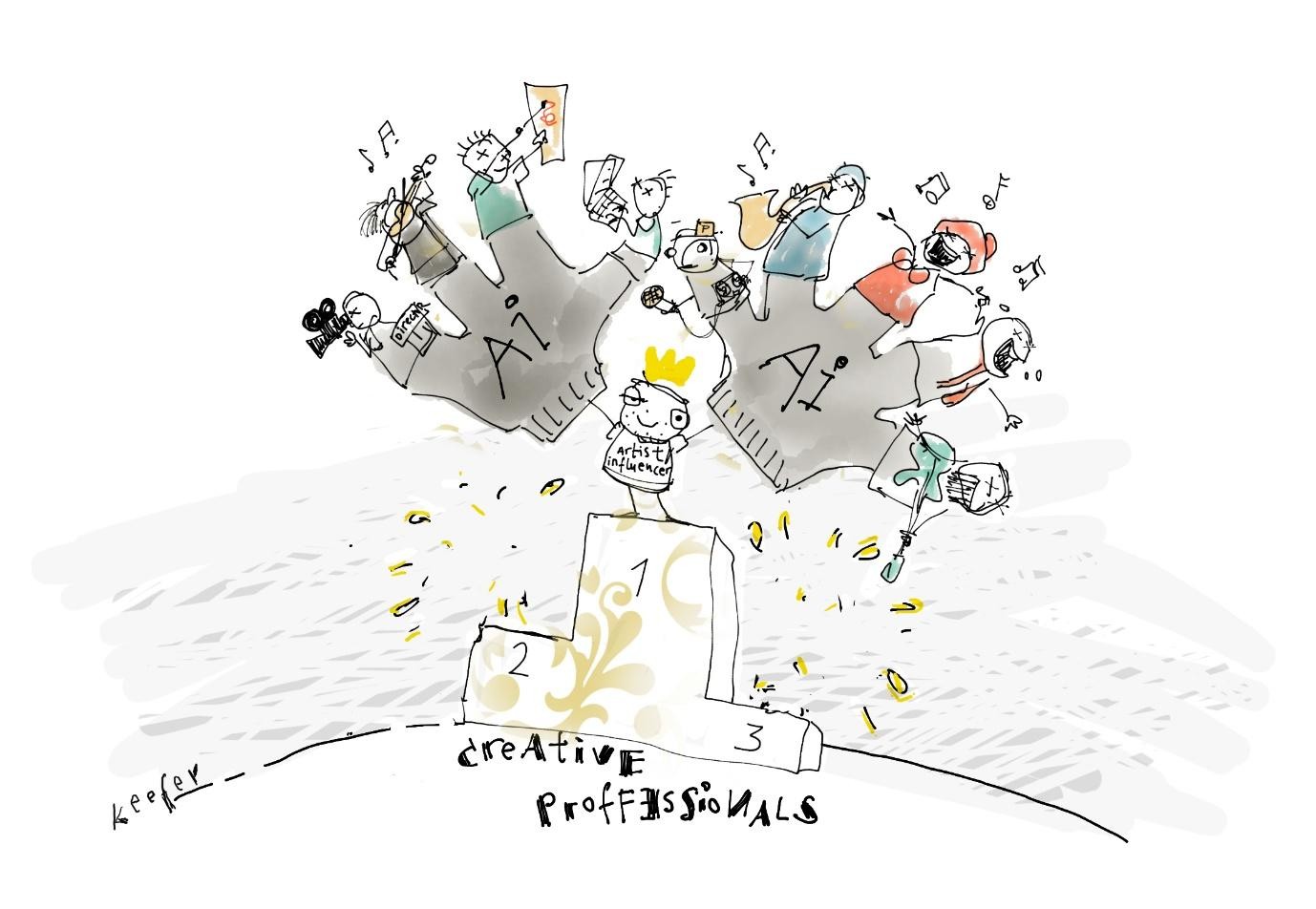
Can self-employed workers strike? Can they secure their rights through a collective agreement? How can unions protect them? And should we work with artificial intelligence or against it?
Over the past two years, the project “Building stronger Unions in the Media, Arts & Entertainment Sector to Tackle the Challenges of Freelance Work, AI and Sectoral Change” has sought answers to these questions.
The project is relevant to the wider cultural and creative sector, where Eurostat records around 2.5 million self-employed workers in the EU, and especially to the narrower group of creative and performing artists, authors, journalists and linguists, among whom around 807,000 are self-employed.
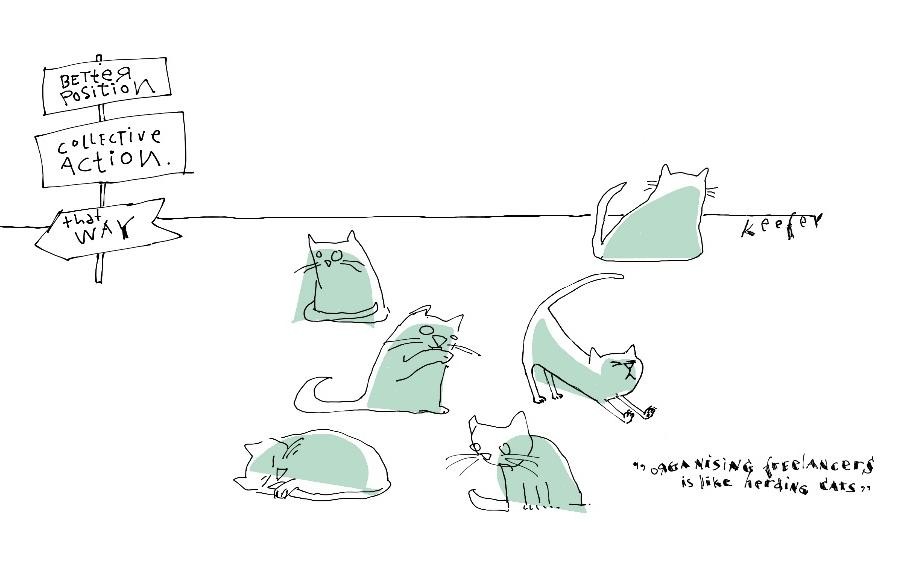
It brought together members of the International Federation of Actors, the International Federation of Musicians, UNI MEI — the media, entertainment and arts sector of the global trade union federation UNI Global Union — and the European Federation of Journalists.
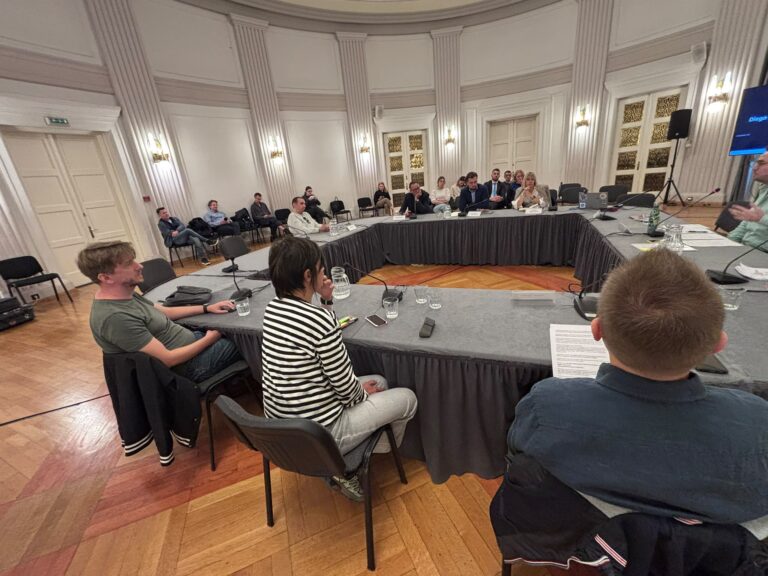
The final conference, held in Warsaw on 22 and 23 April 2026, provided an excellent opportunity to open up discussion and exchange experiences on the project’s key findings.
Participants discussed union organising, collective bargaining and minimum fees for self-employed workers, as well as the results of the survey and study on the impact of generative artificial intelligence on the work of professionals in the media, arts and entertainment sector.
Collective Bargaining & Industrial action for Self-employed
Sandra Mlađenović, representative of the translators’ union branch within the Trade Union of Croatian Journalists, recalled that AV translators at Croatian Radiotelevision were largely ignored until they established a branch within the union.
Since then, they have been in continuous negotiations with the public broadcaster, raised their rates, worked on improving other rights, and could become the first freelance translators in Croatia whose rights are regulated through a collective agreement.
They did not stop there. They are continuously working to strengthen translators so they can fight for better rates on the market and secure a stronger bargaining position with clients.
Private companies remain the toughest nut to crack. But they are gradually breaking it down, as they are developing strategies of joint pressure on translation agencies together with unions and professional associations from the region.
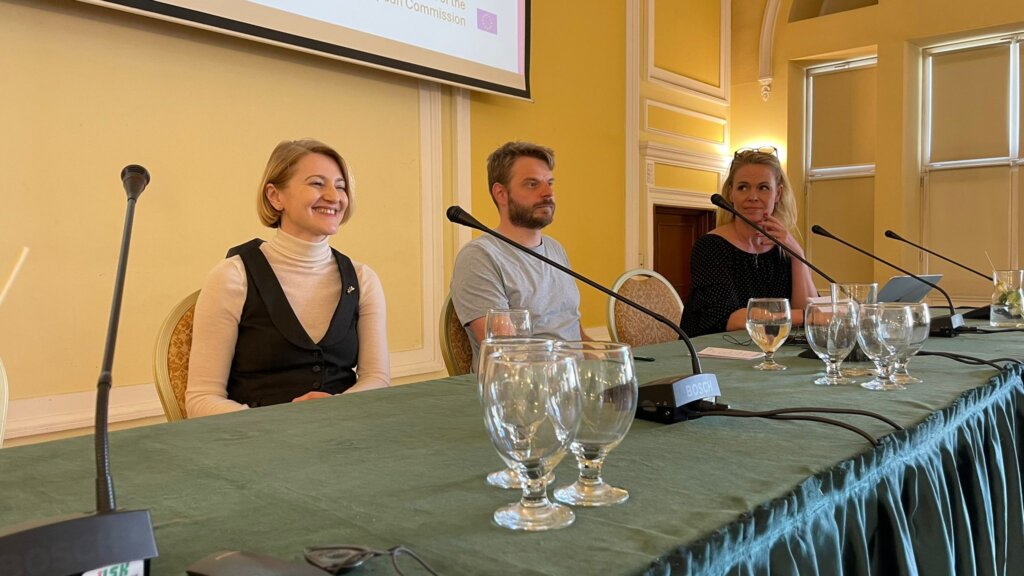
Maria Markus, from the Finnish Union of Journalists, warned that freelance journalists in her country make a significant contribution to the media sector, but their working conditions are less favourable than those of permanent employees.
This difference is particularly visible in freelancers’ income. Every euro earned by a freelancer is worth significantly less than a euro earned by an employee, because freelancers have to cover their own contributions, pension insurance, sick leave, annual leave and other costs from that income.
There is also a large gap between recommended fees and what is actually paid. The recommended fee is 500 euros or more, but in practice many freelancers receive significantly less.
Since employers’ organisations have consistently refused collective agreements for freelancers, the union has moved towards individual company-level collective agreements. By the end of 2025, this had resulted in 10 agreements with companies in the printing and media sector. These collective agreements include a provision requiring any wage increase for employees to be followed by an increase in freelance rates.
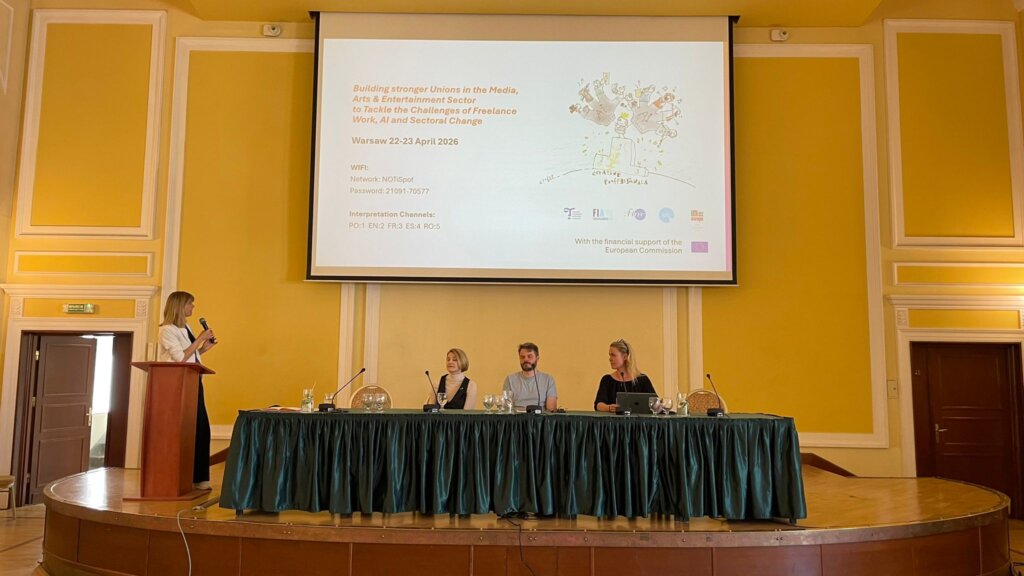
Tijs Hostin, from the Belgian union ACV Puls, described how they are making progress for freelancers at sectoral level.
Within the union, they created a branch called United Freelancers. In this way, they attract freelancers who work alongside employees into the union. “We want to organise people who work as solo self-employed workers but do the same job as employees,” he explained.
He went on to say that they had achieved major success with live performers. They managed to convince employers’ representatives to accept sectoral coverage. They are now trying to do the same in the audiovisual sector.
The strategy is simple. They start talking to employers about wanting to cover freelancers. “After a while, they get used to the fact that this is important to us, that we organise these people and that we have members. This leads towards an agreement at sectoral level. We have sectoral meetings every two years,” Tijs Hostin explained.
Other effective strategies to raise rates for freelancers
Karol Muszyński, from the University of Warsaw, described statutory minimum hourly rates for non-standard workers in Poland. He recalled that employers responded to the government’s increase in the minimum wage by hiring freelancers in order to avoid paying the minimum wage. That is why, since 2017, a new policy has been applied to close this gap: 7 euros net per hour plus costs.
Muszyński pointed out that, in a country with low collective bargaining coverage, a statutory minimum can serve as a basis for other initiatives in the cultural sector. As an example, he cited the New Agreement on Minimum Fees for Artists in Poland, which is not a collective agreement, but an agreement between the artistic community and cultural institutions on minimum exhibition fees.
It currently covers exhibition fees — both for the presentation of existing works and for new commissions — while additional categories, such as performances, public talks, lectures, curatorial work and writing, are still under development.
Julia Hofmann, from the Deutsche Musik-und Orchestervereinigung union, spoke about her union’s struggle to establish fair rate standards for graduate musicians, freelance substitutes and trainees. She said the union opened itself up to freelancers during the Covid pandemic. Today, freelancers also have their own representative on the board.
In Germany, there are minimum rates prescribed by the federal government and by several federal states. This fee is truly minimal, but even so, some orchestras do not want to pay it. That is why they created a “traffic-light map” of orchestras in Germany, using colours to indicate the level of fees paid.
“Minimum fees are good because they raise awareness, but the challenge is enforcement: they need to be implemented, monitored and, where necessary, sanctioned. What is really needed is collective regulation,” she pointed out.
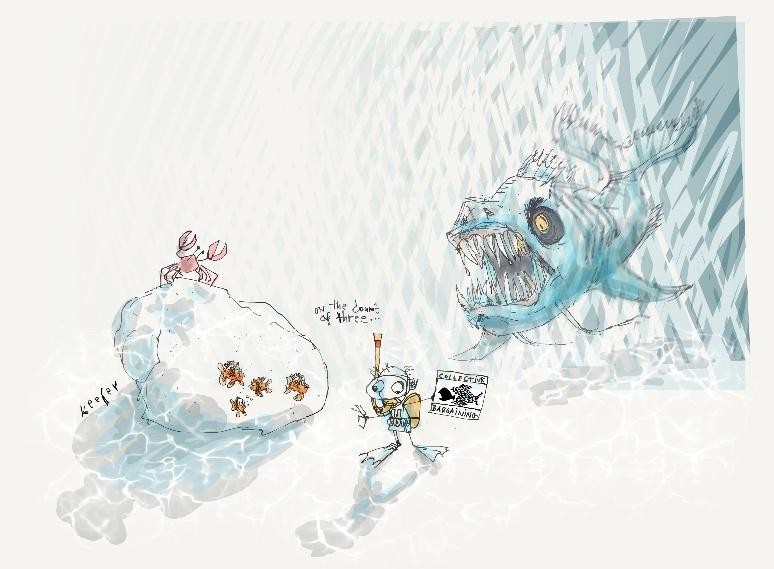
Philippe Gautier, from the French National Union of Musician Artists (SNAM-CGT), explained that in France a presumption of employment applies to performing artists: a contract by which an artist is engaged for a performance or production is generally considered an employment contract, except in specific cases where the artist works as a registered service provider.
This is important because it links artists to the system of wages, contributions and social rights, including the special regime for intermittents du spectacle — workers in the performing arts who work through intermittent engagements.
The French example also shows how public funding can be linked to compliance with social rules: the Centre national de la musique is funded, among other sources, through a mandatory tax on certain music and variety performances, while beneficiaries of support must comply with social, tax and copyright obligations.
Gautier also warned that minimum fees and social rights do not function without enforcement. In smaller venues, productions, hotels, restaurants and campsites, unions still have to fight for compliance with the rules, including through inspections and checks.
What are the main sticking points still? What can we do about them?
Gabija Jaraminaitė from the Lithuanian Actors’ Association (LAA) highlighted the many challenges facing freelancers in her country. There is no specific legal framework for the protection of freelancers in the performing arts.
The system is inherited from the model of state theatres, in which rights are mostly tied to permanent employees in national institutions, while independent actors remain outside collective agreements, without the possibility of striking and without real bargaining power.
Employers refuse to negotiate and invoke the market, while the large number of actors compared with the number of available engagements further pushes fees down.
The LAA is trying to respond by publishing recommended minimum rates, providing legal assistance, offering practical information to members and applying media pressure.
She particularly highlighted the example of voice actors, where solidarity-based action led to an increase in fees. The association seeks to strengthen collective action and encourage actors to jointly reject offers below an acceptable level.
William Maunier from the French National Union of Radio, Television and Audiovisual Workers CGT (SNRT-CGT) said that the strong framework of labour law and collective agreements in France is increasingly being bypassed by moving workers into self-employed status. This pushes workers outside the protection of labour law, leaves them to bear their own social contributions, and deprives them of employment-related rights.
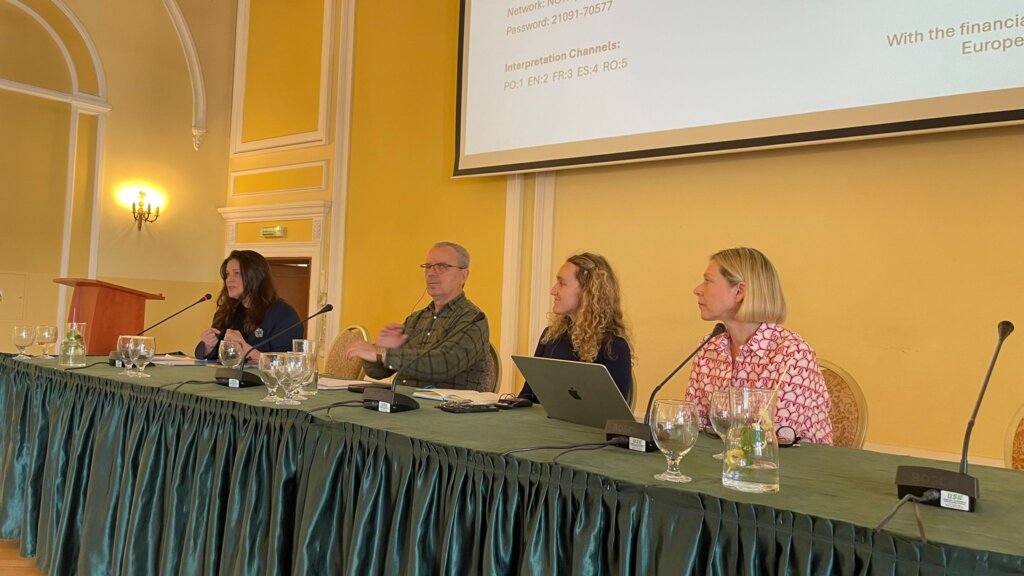
As examples, he mentioned make-up artists at France Télévisions, who are increasingly being pushed out of the intermittents du spectacle status and into self-employment. Audiovisual translators, who previously received remuneration through royalties, now face job insecurity due to artificial intelligence.
He sees the solution in extending the presumption of employment, fighting false self-employment, and using European guidelines on collective bargaining for solo self-employed workers. The union is also developing a dedicated platform for organising, recruiting and defending self-employed workers, because these workers are often isolated and beyond the reach of traditional union structures.
Rebecca Bonello Ghio from the European Federation of Journalists (EFJ) also confirmed that freelance journalists across Europe face low rates, isolation and weak ties with unions. Employers often refuse to bargain collectively, and even when agreements are reached, their implementation is not always secure.
Additional pressure comes from artificial intelligence, the decline of print media, layoffs and the increasingly difficult economic position of freelancers.
She stressed the need for small, concrete steps: building communities among isolated workers, strengthening their representation within unions, and connecting their interests with those of permanent employees.
“In the EFJ, five members of the executive committee represent freelancers, ensuring that their specific concerns reach the decision-making level,” she said.
As an important example, Rebecca Bonello Ghio pointed out the Dutch case, where employees supported freelancers because they recognised that lower freelance rates also threaten their own jobs in the long term.
She highlighted recommended minimum rates, case law and European guidelines as important tools in the everyday struggle to strengthen the position of freelancers.
Impact of Generative AI on Work in the Media, Arts & Entertainment Sector
On the second day of the final conference, the results of the European Survey on the impact of generative AI on work and the needs and perceptions of workers in the sector, carried out as part of the project, were presented.
Researchers Tobias Van Royen and Tijs Vastesaeger presented the main findings drawn from the collected data, with a particular focus on the differences and similarities between subsectors, as well as on the different insights coming from unions and from workers themselves.
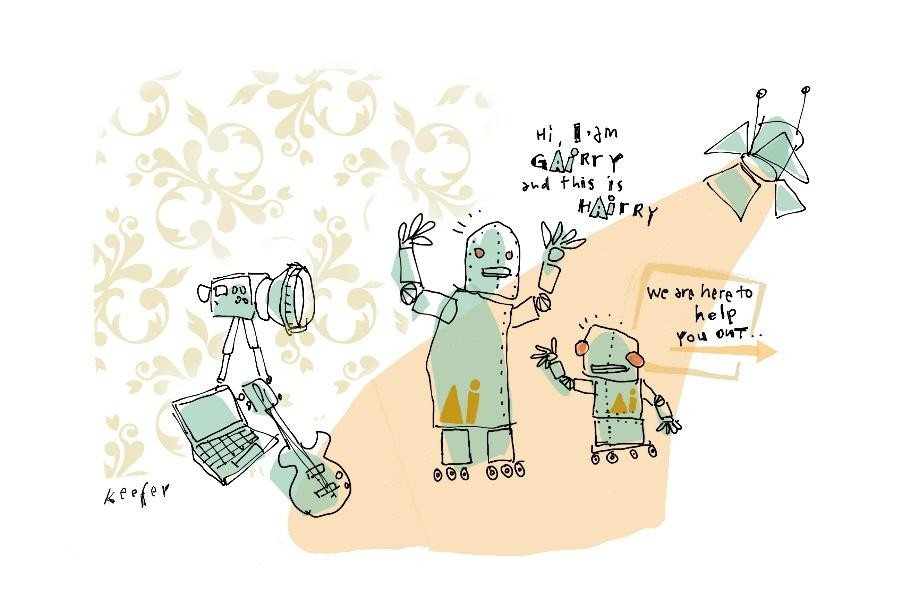
In short:
Artificial intelligence is no longer a future challenge — it is already changing work in the sector
Artificial intelligence is already embedded in production processes, changing creative work and raising questions about jobs, rights and the future of work in media, arts and entertainment. This was confirmed by the concrete experiences of actors, film and TV crews, musicians, journalists and their unions.
Concern is almost universal, but differs by sector
Across all sectors, fewer than 6 percent of respondents said they were not concerned at all about the impact of artificial intelligence. Among actors, this share falls to around 1.6 percent. The greatest concerns relate to job loss, the misuse of image, voice and performance, deepfakes, copyright and the loss of creative autonomy.
Workers and unions do not approach artificial intelligence from the same position
Workers mostly express immediate fears: whether they will lose their jobs, whether their voice, image, text, music or performance will be used without consent, and whether artificial intelligence will reduce their income.
Unions, on the other hand, more often speak about rules, oversight, collective bargaining, legal protection and sectoral standards. The reports describe this as a structural gap between members’ perceptions and the institutional perspective of unions.
Needs are not the same across all sectors
Actors and film/TV crews see AI primarily as an issue that should be collectively bargained and restricted. Journalists, because they already use AI more in their daily work, place greater emphasis on the need for training, transparency and clear rules of use. Musicians have more diverse demands, but strongly highlight copyright, remuneration and the danger of human work being replaced by cheap AI-generated content.
Unions are calling for a shift from individual coping to collective rules
Workers are asking for clear information, training, legal advice and contract templates, while unions are calling for a broader framework: collective agreements, model clauses, standardised consent forms for the use of voice, image and performance, monitoring of AI’s impact on jobs, ethical guidelines, and participation in European and international regulatory processes.
In the discussion that followed the presentation of the European research findings, it was particularly emphasised that the development of artificial intelligence cannot be viewed only as a technological issue, but also as a question of working conditions, bargaining power and the collective protection of workers.
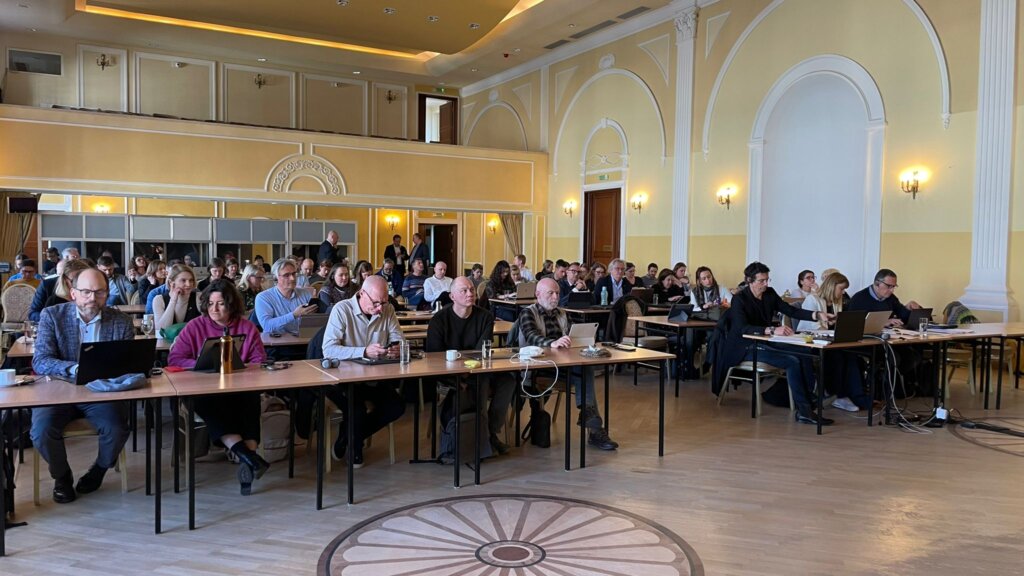
The conference continued with a practical part of the programme dedicated to union organising. Union trainers Antti Maki and Adam Ives led a session focused on strengthening unions and building a stronger bargaining position.
As part of this section, a round table was also held with participants of the workshops organised within the project.
Participants, including members of the Trade Union of Croatian Journalists, Sandra Mlađenović and Zoran Pehar, said the practical approach was particularly useful because it did not remain at the level of general recommendations, but offered concrete tools for organising, mobilising members and planning union activities.
Practical exercises were also held during the conference, allowing participants to connect what they had learned with the challenges they face in their own organisations and sectors.
Prepared by: Zoran Pehar
Sources used in preparing the report: the author’s own notes and working notes of members of the project steering group — Dearbhal Murphy, Rebecca Bonello Ghio, Daphné Tepper, Thomas Dayan, Caspar De Kiefte and Eleonor Fahlén.
Illustrations: Caspar De Kiefte
Photo: Zoran Pehar